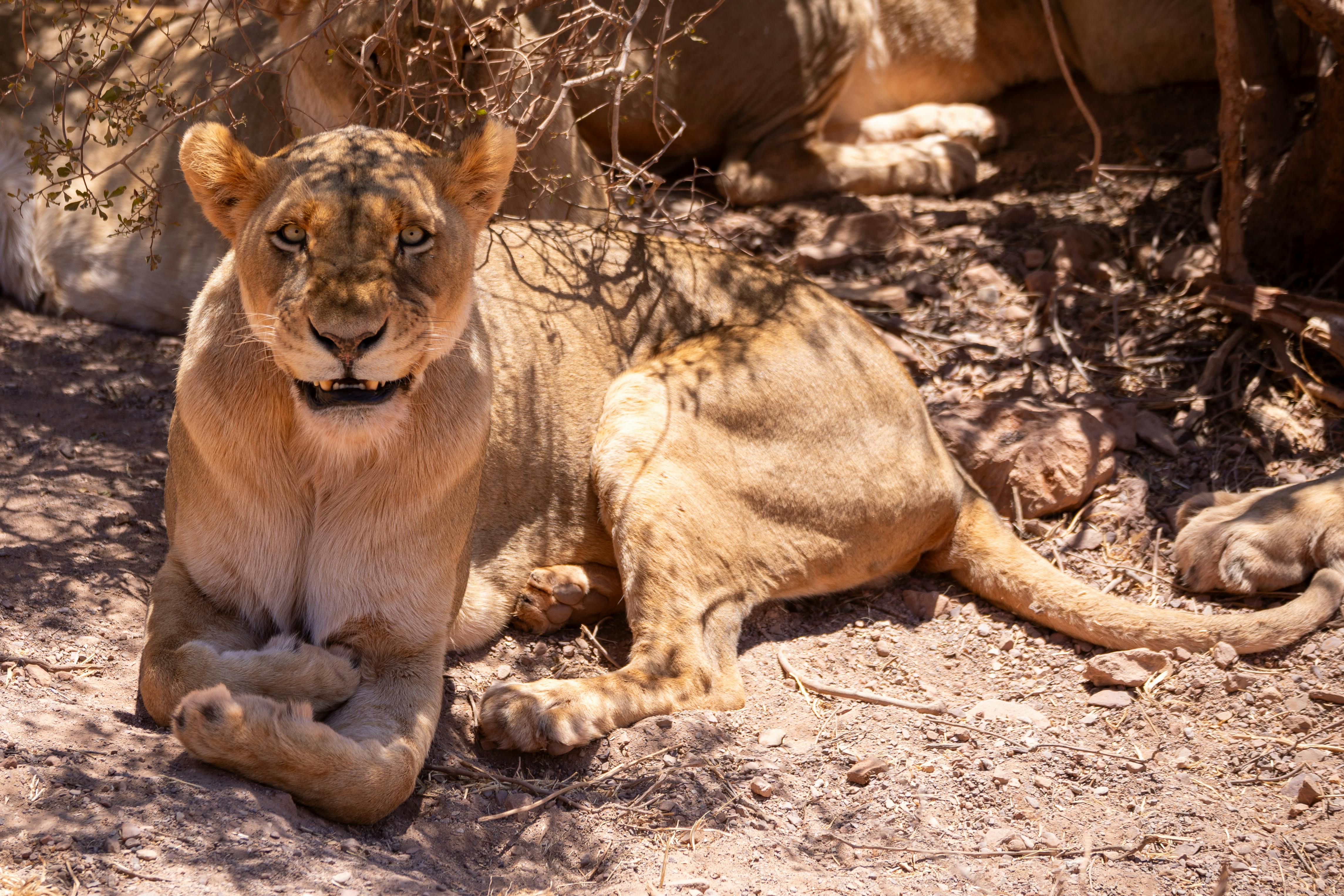
The Ultimate Guide to an East African Safari
An East African safari is one of the most unforgettable travel experiences in the world. From vast savannahs teeming with wildlife to breathtaking landscapes and rich cultural encounters, East Africa offers a unique blend of adventure and discovery. Whether you are a first-time traveler or a seasoned explorer, this guide will help you plan the perfect safari across Kenya, Tanzania, and Uganda.
Why Choose East Africa for a Safari?
East Africa is home to some of the most iconic wildlife destinations on the planet. The region boasts incredible biodiversity, including the famous Big Five—lion, elephant, buffalo, leopard, and rhinoceros. Beyond wildlife, visitors are treated to stunning scenery, from rolling grasslands to volcanic mountains and lush forests.
One of the biggest highlights is the Great Migration, where millions of wildebeest and zebras move across the plains in search of fresh grazing. This natural spectacle is considered one of the greatest wildlife shows on Earth.
Top Safari Destinations in East Africa
- Maasai Mara National Reserve, Kenya
The Maasai Mara is one of Africa’s most famous safari destinations. Known for its abundant wildlife and the Great Migration, it offers excellent opportunities to see predators like lions and cheetahs in action.
- Serengeti National Park, Tanzania
The Serengeti is vast, wild, and incredibly beautiful. It is closely connected to the Maasai Mara ecosystem and is another prime location to witness the migration. The park also offers year-round wildlife viewing.
- Amboseli National Park, Kenya
Amboseli is famous for its large herds of elephants and stunning views of Mount Kilimanjaro. It’s a photographer’s paradise and perfect for those seeking close encounters with wildlife.
- Bwindi Impenetrable Forest, Uganda
For a truly unique experience, Bwindi offers gorilla trekking adventures. Walking through dense forest to observe mountain gorillas in their natural habitat is both thrilling and deeply moving.
- Ngorongoro Crater, Tanzania
This UNESCO World Heritage Site is a natural wonder. The crater hosts a dense population of wildlife, making it one of the best places to see the Big Five in a single day.
Best Time to Visit
The best time for an East African safari depends on what you want to see
June to October: Ideal for wildlife viewing and the Great Migration
January to March: Great for calving season and predator action
April and May: Rainy season, fewer tourists, and lush landscapes
What to Expect on a Safari
A typical safari day starts early in the morning with a game drive, followed by a break during the hottest hours, and then another drive in the late afternoon. You may stay in lodges, tented camps, or luxury safari camps depending on your budget.
Expect to see a wide variety of animals, birds, and plant life. Knowledgeable guides enhance the experience by sharing insights about the ecosystem and wildlife behavior.
Safari Travel Tips
Pack wisely: Bring lightweight clothing, neutral colors, sunscreen, and a hat
Carry binoculars and a camera: Capture unforgettable moments
Respect wildlife: Maintain a safe distance and follow your guide’s instructions
Stay hydrated: Safaris can be physically demanding
Book in advance: Especially during peak migration season
Cultural Experiences
East Africa is rich in culture and tradition. Visitors can interact with local communities such as the Maasai people, learning about their customs, lifestyle, and connection to the land. These cultural experiences add depth and meaning to your safari journey.
Conclusion
An East African safari is more than just a trip—it’s a life-changing adventure. From witnessing the Great Migration to encountering majestic wildlife and engaging with vibrant cultures, every moment is unforgettable. With proper planning and an open spirit, your safari will be an experience you’ll cherish forever.